Ideas are spread across loose pages
Ideas are spread across loose pages: a task-based checklist covering item dimensions, storage material, condition notes, item fit, setup and purchase checks.
Read the checklistWork through a specific collection storage and display task: record the constraints, compare the options, then choose what the job actually needs.
Ideas are spread across loose pages: a task-based checklist covering item dimensions, storage material, condition notes, item fit, setup and purchase checks.
Read the checklistA writing desk has distracting clutter: a task-based checklist covering item dimensions, storage material, condition notes, item fit, setup and purchase checks.
Read the checklistReference files lack a common location: a task-based checklist covering item dimensions, storage material, condition notes, item fit, setup and purchase checks.
Read the checklistFor the things you choose to keep
Look closely at figures, cards, and display pieces. Keep the story of each object as carefully as the object itself.

THE DISPLAY CABINET
Arrange three editorial visual studies. Layout changes do not create card identities, editions, dimensions or available products.

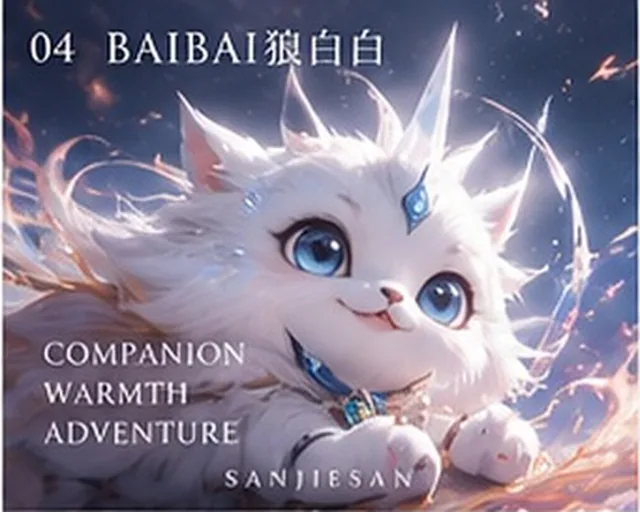
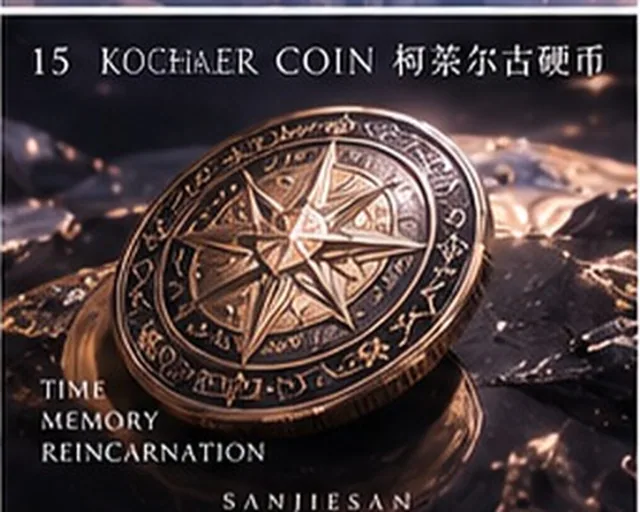
Visual spacing is not a measurement or preservation recommendation.
Explore Cards & archives ↗THE COLLECTION
These collections are being planned and are not on sale. Images are concept artwork; specifications and rights remain to be confirmed.
Archive concept separating card identity, artwork and source notes. The established 54 identities remain unchanged: Identity is not Skin.
Figure-display concept comparing the viewing angle, neighbouring objects and the space around a model. No figure is offered for sale.
Display-case concept beginning with a collection inventory: object size, grouping and how pieces would be taken out and returned.
Record-book proposal linking an edition note to its source, while keeping identity and artwork separate. Unknown rarity or edition size stays unknown.
IN THE JOURNAL
Clear records and thoughtful displays help a collection stay enjoyable. These guides focus on what you can inspect, document, and arrange without guessing at rarity or future value.
Collecting choices
Separate a collection reference list from the smaller list of items you actually want.
Read the guide ↗BUYING GUIDE
Compare stated card fit, sleeve dimensions and the next storage layer before ordering.
Read the guide ↗FROM THE ARCHIVE
SANJIESAN ORIGINAL UNIVERSE
Explore the official character, worldbuilding and visual archives. Character identities remain distinct from alternate artwork; concept art does not establish merchandise rights.
BEFORE YOU BEGIN
Images help you compare visible details, but they do not by themselves establish authenticity. Keep seller information, the exact item description, supplied documentation, and questions that remain unanswered. Seek a qualified assessment when one is needed.
Plain descriptions and clear photographs are more useful than an invented grade. Record the actual marks, missing parts, repairs, and packaging condition. If a recognised assessor supplied a grade, preserve its original wording and supporting record.
Link the artwork to the established card identity, then record the artwork or edition separately. In Sanjiesan, the 54-card identity system remains the reference; a visual variation does not create another identity.
SANJIESAN · FURTHER READING
For a card collection, the useful comparison is what you would actually use or keep. This Prismatic Evolutions guide reads ETB and Super-Premium contents as different choices, without promising pulls, investment returns or current availability.
Compare the documented box contents ↗Start with the slowest or most awkward step in collection storage and display. Check what existing items can do, then buy the item with a clearly defined job before adding accessories.
Keep item dimensions, storage material, condition notes in one checklist. Add usable dimensions, existing device versions and the intended location. Resolve unknowns from instructions rather than estimating size from photographs.
Choose by delivery address. Each entry uses the corresponding Amazon marketplace link. Check currency, seller, delivery and returns on the selected marketplace.
These are item-by-item shopping plans rather than a single bundled SKU. Buy only the parts you need; inclusion in a plan does not establish compatibility or imply that fittings are included.
Model searches help compare a named product; category entries let you choose specifications. A result does not establish the seller, availability or lowest price. Confirm the variant before ordering.
Keep packaging and order records, follow the instructions and repeat the original task. Check access, circulation and unnecessary steps. Revisit placement and specifications before buying more.
LET’S MAKE WHAT COMES NEXT
For suppliers, creators and brands. Tell us what you have in mind and where you work.


